Conversation Topics / Food & Eating
Food & Eating Conversation Questions for Adult ESL Classes
Twenty ESL conversation questions about food and eating for adult classes (A2–C1). Part 1 covers personal food life — favourite dishes, markets, cooking, and eating out. Part 2 turns to food and society: seasonal eating, food access, and how communities share meals. Each part opens with a vocabulary warm-up and runs about thirty minutes.
Reviewed by Brando Oxley · 6 Aug 2026
Part 1
What We Eat and Where We Buy It
Focus: sharing experience, describing, comparing, evaluating, and giving advice
Think of one dish from your country, one verb used in cooking, and one place where people buy or eat food.
Describe each word without saying it directly. Your teacher or partner must guess the word.
EXPERIENCE
What did you eat yesterday? Which meal was the best, and who prepared it?
DESCRIBE
Describe a dish from your country that a foreign visitor should try first. How is it made, and when do people eat it?
COMPARE
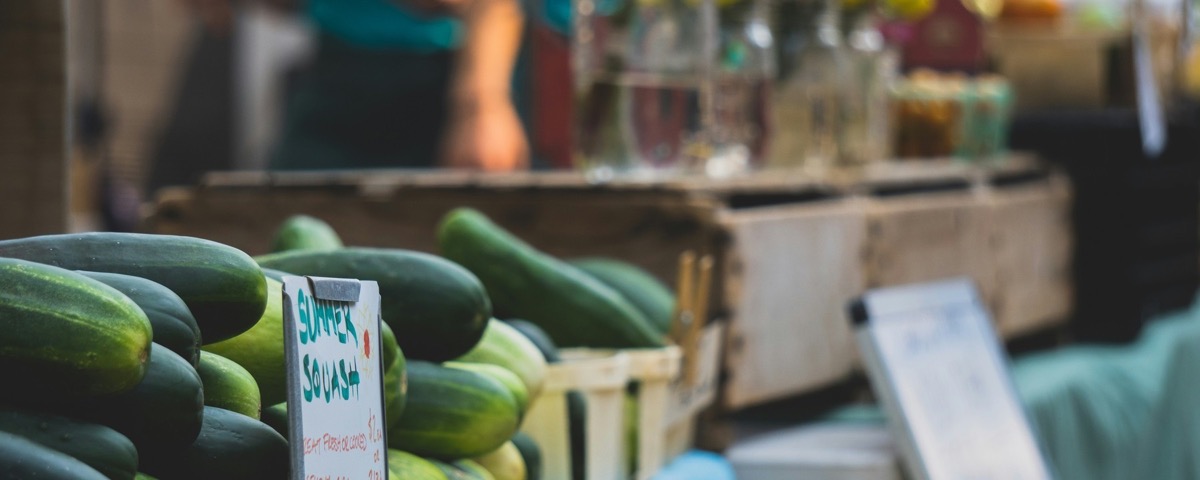
Are farmers’ markets or street markets common in your country? Compare shopping there with shopping at a supermarket.
EVALUATE
Would you pay more for food produced near your community? Why or why not?
PREFERENCE
Do you prefer cooking at home, eating out, or ordering delivery? What decides it on a normal weekday?
PRIORITIZE
When you choose what to eat, what matters most: taste, price, health, or convenience? Rank them and explain.
ADAPT
Do people in your country care about eating seasonal food? How do meals change across the year?
PROBLEM-SOLVE
Many adults say they are too busy to cook. What realistic habits could help someone eat better with little time?
ANALYZE
In your opinion, are markets and food streets mainly shopping places or social spaces? What do people really go there for?
ADVISE
A visitor has only one day of eating in your city. Plan their breakfast, lunch, and dinner.
Part 2
Food, Community, and Change
Focus: analyzing, reflecting, discussing, improving, connecting ideas, and creating solutions
In one minute, think of two foods you can buy at a market, two ways of cooking, two words describing taste, and one food problem cities face.
ANALYZE
What could make fresh, local food more affordable and accessible in your country?
DISCUSS
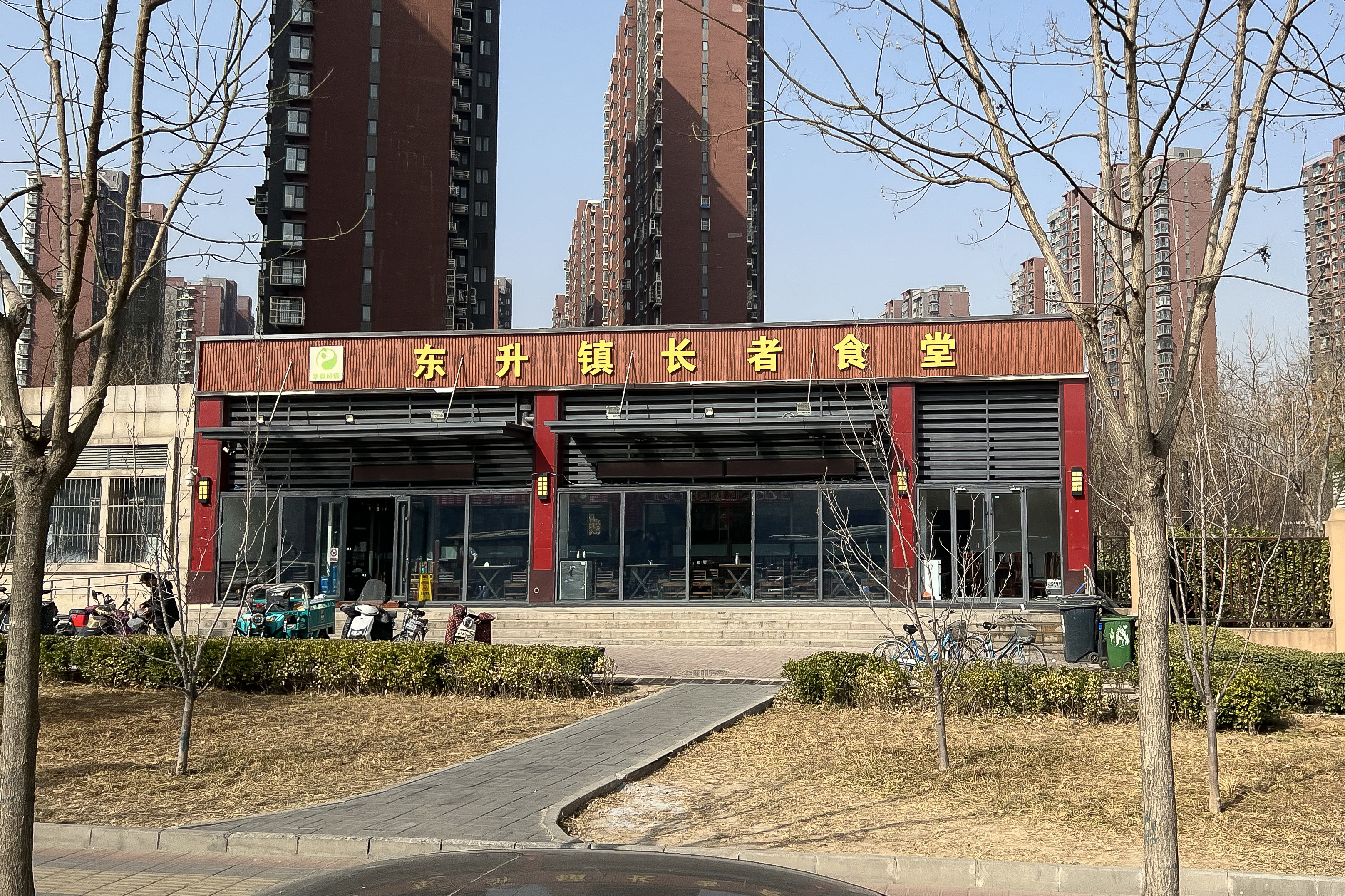
China’s community canteens serve cheap meals to older adults. What meal services exist for older people in your country, and are they enough?
EVALUATE
Would an all-age community canteen work better than a service only for older people in your neighbourhood? Why?
CULTURE
How is responsibility for feeding and supporting older relatives shared in your culture? Is it changing?
REFLECT
Which food tradition from your childhood do you want to keep alive? What might make it disappear?
BALANCE
Is it better for a country to grow its own food or to import cheaper food from abroad? Where is the balance?
DEFINE
What counts as "healthy eating" in your country? Do experts and ordinary people define it the same way?
IMPROVE
How could your city reduce food waste from restaurants, shops, and homes? Suggest two practical measures.
CONNECT
What does sharing a meal do for a family, a team, or a friendship that eating alone cannot?
CREATE
Design a weekly community meal for your neighbourhood. Who cooks, who is invited, and what is on the menu?
Lessons on this topic
Full reading + discussion lesson plans that pair with these questions.