Conversation Topics / Sports
Sports Conversation Questions for Adult ESL Classes
Twenty ESL conversation questions about sports for adult classes (A2–C1). Part 1 stays close to personal experience — playing, watching, and choosing a sport. Part 2 opens the bigger debates: fairness, money, young athletes, and what sport does for a community. Each part starts with a vocabulary warm-up and runs for about thirty minutes.
Reviewed by Brando Oxley · 6 Aug 2026
Part 1
Playing and Following Sports
Focus: sharing experience, describing, comparing, evaluating, and giving advice
Think of one piece of sports equipment, one verb connected to playing sport, and one place where people play or watch sport.
Describe each word without saying it directly. Your teacher or partner must guess the word.
EXPERIENCE
Which sports did you play as a child, and which do you still play or follow today? What made you continue or stop?
DESCRIBE
Describe a sport that is popular in your country to a visitor who has never seen it. What makes it exciting or difficult?
ANALYZE
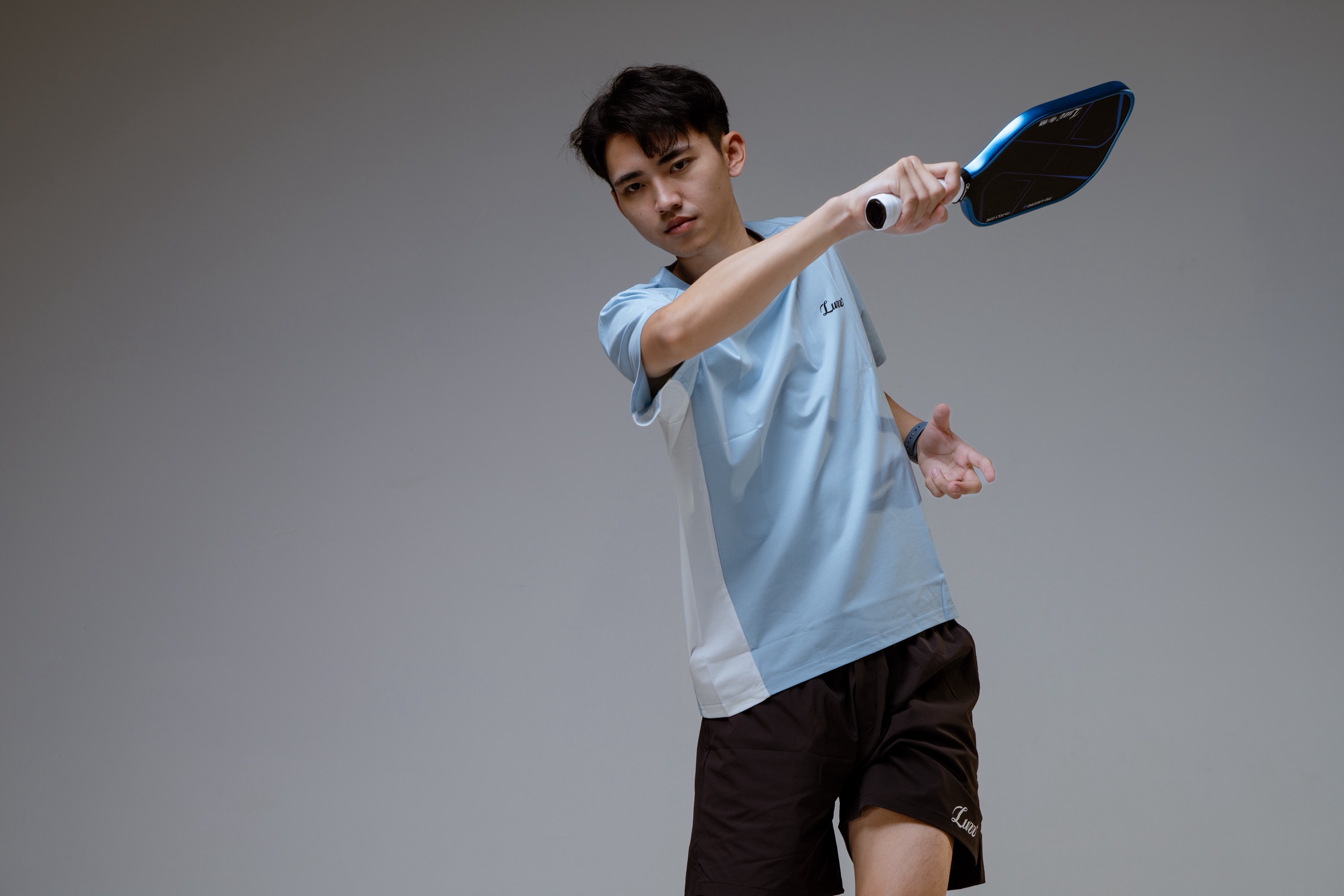
Some sports, like pickleball in the United States, grow quickly because adults can learn them fast. Why do some sports attract older adults more successfully than others?
COMPARE
Compare watching sport live in a stadium with watching it at home or on your phone. Which experience do you prefer, and why?
EVALUATE
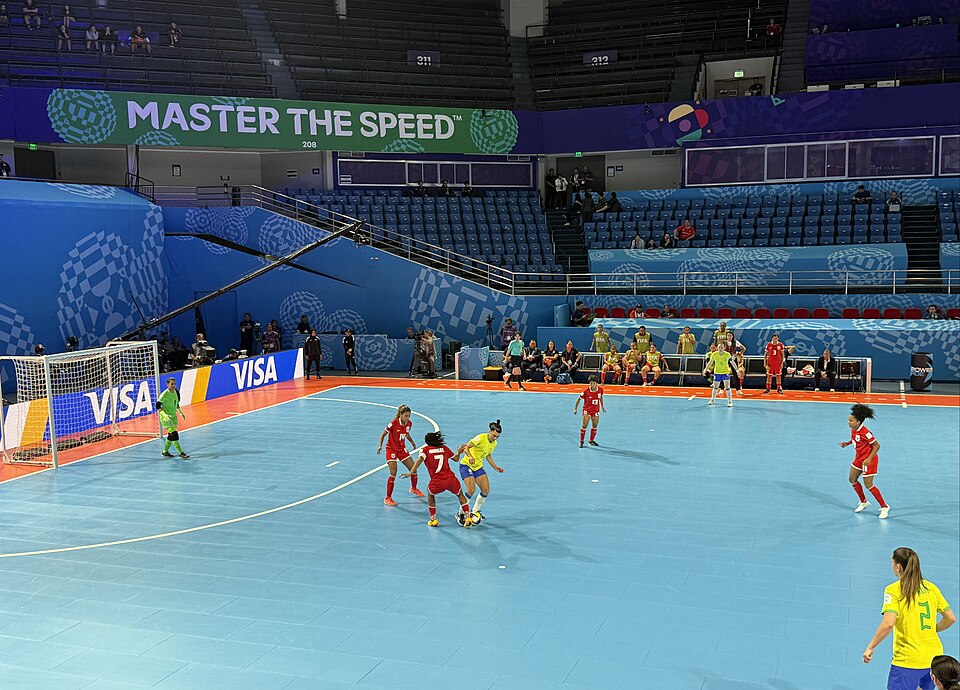
Is futsal or another small-sided game popular in your country? Do you think small-sided games are better for children than full matches?
PRIORITIZE
For an adult starting a new sport, which matters most: fun, fitness, or making friends? Choose one and defend your choice.
ADAPT
How accessible are safe sports facilities in your community? What could people do when courts, pools, or pitches are limited?
PROBLEM-SOLVE
Cities sometimes convert existing courts for a newly popular activity, which can upset other players. How should cities decide who gets the space?
PREFERENCE
Would you rather be very good at one sport or reasonably good at several? Explain your thinking.
ADVISE
What sport or activity would you recommend to adults in your country who want to remain active while aging, and why?
Part 2
Fairness, Money, and the Next Generation
Focus: analyzing, reflecting, defining, discussing, connecting ideas, and creating solutions
In one minute, think of two team sports, two individual sports, two words connected to winning or losing, and one problem athletes might face.
ANALYZE
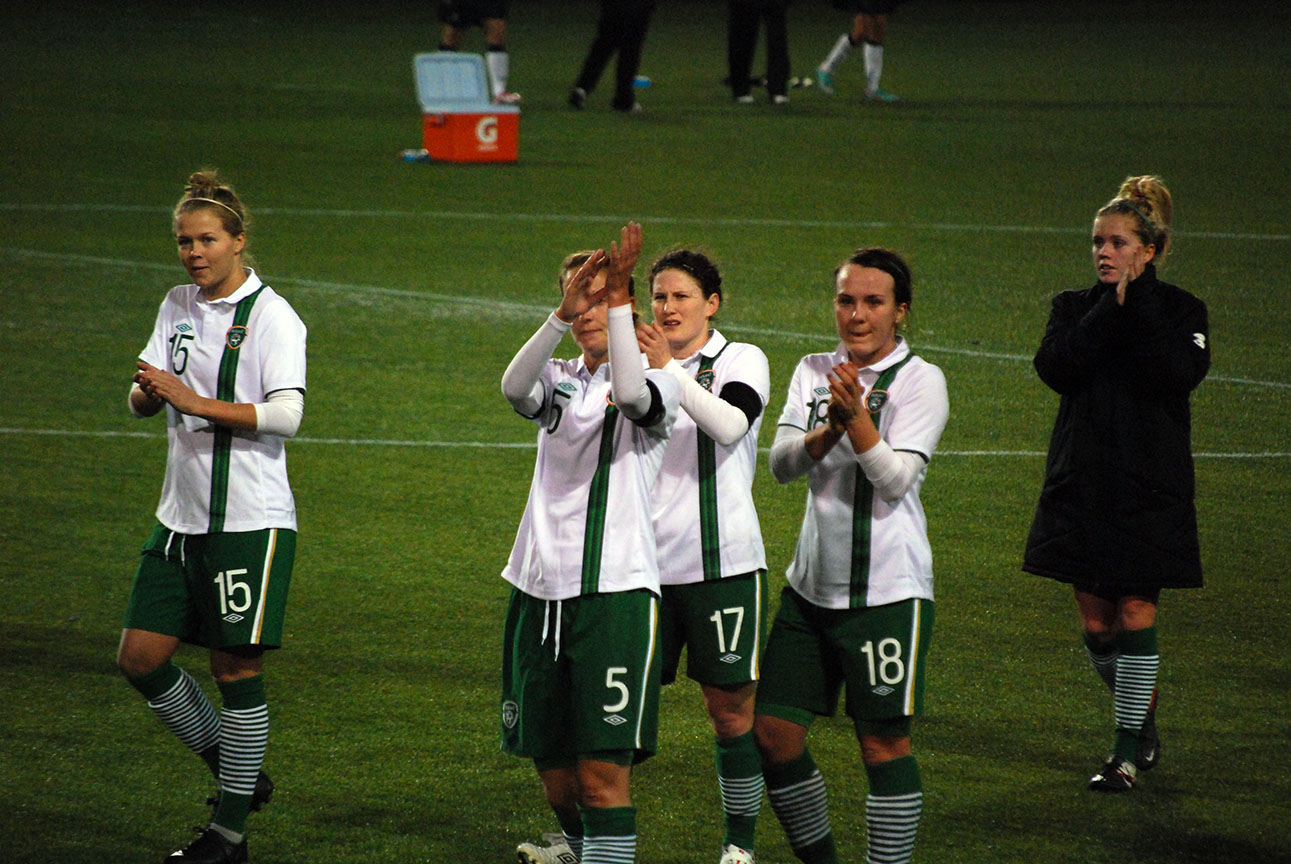
How popular is women’s sport in your country? What type of media coverage would help women’s sports attract a regular audience?
DISCUSS
How should clubs divide limited money and facilities between men’s and women’s teams? What would a fair split look like?
DEFINE
At what age should a child begin intensive training for a possible sports career? Where is the line between support and pressure?
BALANCE
Should professional clubs be responsible for a young player’s academic results? How can training and education stay in balance?
REFLECT
Most young athletes never become professionals. What support should be offered when a young athlete is released from an academy or team?
CULTURE
Which sport best represents your country’s identity, and what does it show about your culture?
IMPROVE
What one change would most improve opportunities for female athletes — or for any underrepresented group — in your country?
EVALUATE
How should a sports academy or club measure success beyond producing professional players and trophies?
CONNECT
What can playing sport teach about teamwork, failure, or discipline? Connect one lesson to work or study.
CREATE
Design a community sports day that includes beginners, families, and people with different abilities. What events would you include?
Lessons on this topic
Full reading + discussion lesson plans that pair with these questions.
How Women's Football Is Building a Larger Audience in Ireland
Health, Longevity & Sports
How Futsal Shapes Brazilian Football
Health, Longevity & Sports
Why Pickleball Appeals to So Many American Adults
Health, Longevity & Sports
How English Football Academies Balance Training and Education
Work, Education & Business