Why Sweden Lets People Walk Across Privately Owned Land
Key Vocabulary
| Word or Phrase | Meaning | Example |
|---|---|---|
| roam | To move freely through a wide area. | Visitors are allowed to roam through much of the countryside. |
| privately owned | Belonging to an individual or company rather than the public. | The path crosses privately owned forest land. |
| cultivated | Prepared and used for growing crops or plants. | People must not walk across cultivated fields. |
| disturb | To interrupt, damage or cause problems for someone or something. | Campers should not disturb residents or wildlife. |
| responsibility | A duty to behave or act correctly. | Freedom in nature comes with responsibility. |
Article
In many countries, a sign saying "Private Property" means that the public must stay away. Sweden follows a different principle in much of its countryside. The Right of Public Access, known in Swedish as allemansratten, allows people to enjoy nature even when the land belongs to someone else.
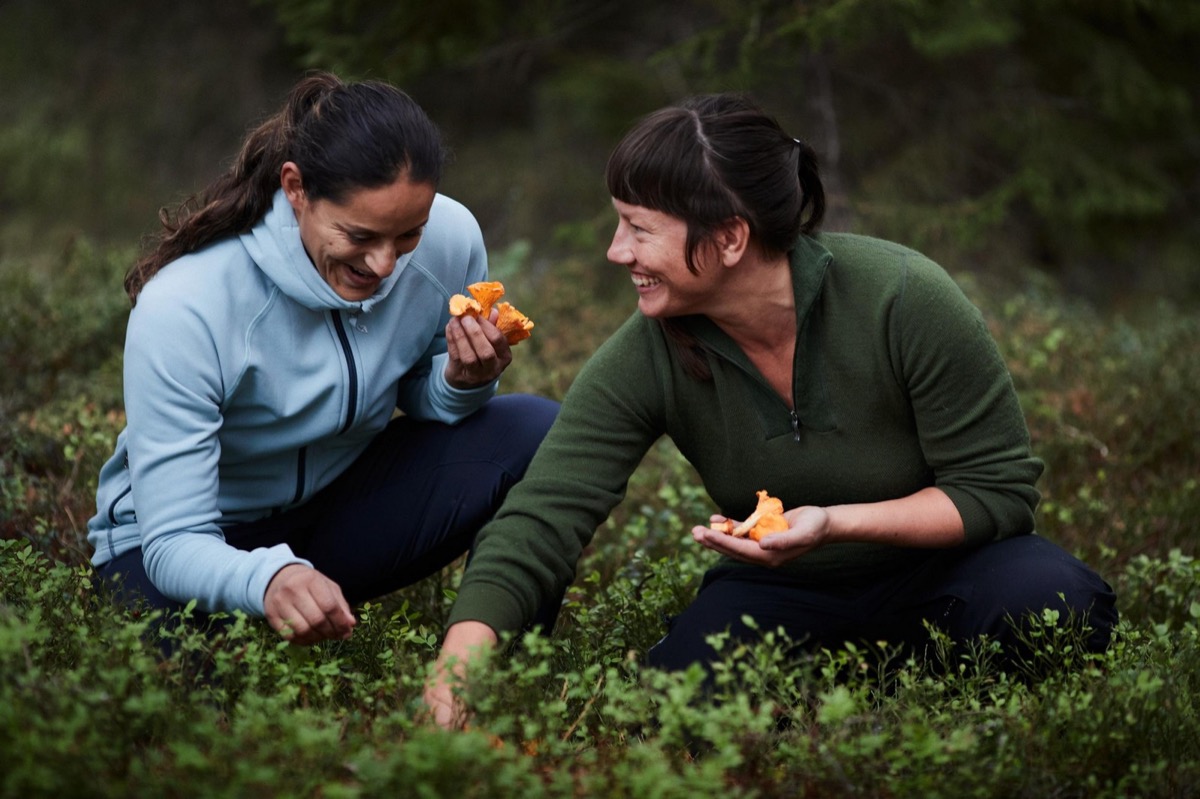
The right makes activities such as walking, hiking, cycling, skiing, swimming and temporary camping possible across large areas. People may also pick many wild berries, mushrooms and flowers. They do not normally need to pay an entrance fee or ask the landowner for permission.[1]
This freedom is not unlimited. Visitors must stay away from private gardens and the immediate area around a home. They cannot damage crops, walk across cultivated land or enter places where special protection rules apply. Motor vehicles are generally not included in the right, because driving off-road can seriously damage the ground.
The basic idea is often summarized as: do not disturb and do not destroy. A person may cross private forest land, but should not cut living trees, leave rubbish, frighten animals or block a landowner's work. The right depends on people using judgement rather than looking for a detailed sign for every possible situation.
Camping shows how this balance works. One or two tents may often be placed for a short time on suitable land away from houses. A large group, a long stay or an organized commercial activity may require the landowner's permission. Local rules can also be stricter in national parks and nature reserves.
Fire is another example. A small fire may sometimes be allowed when conditions are safe, but local authorities can introduce fire bans during dry weather. The person who starts a fire is responsible for controlling it and making sure it is completely extinguished. A general right to enjoy nature does not remove this responsibility.
The system can benefit people who do not own land or cannot afford private recreation. Families can walk in forests, students can camp and residents can reach lakes without every natural space becoming a commercial service. Easy access may also encourage outdoor activity and strengthen people's connection to the environment.
Landowners may see the situation differently. They must accept respectful visitors, but they may also experience litter, damaged fences, uncontrolled dogs or people walking too close to their homes. Popular outdoor areas can receive more visitors than the land can easily support.
Sweden's model therefore depends on social trust. The law provides access, but everyday behaviour protects it. If too many people ignore the responsibilities, landowners may demand stronger restrictions and nature may suffer.
The Right of Public Access asks a difficult question: should nature be treated mainly as private property, or as a shared space that everyone may use carefully? Sweden attempts to protect both ideas at the same time.
Discussion Questions
- How much access does the public have to privately owned countryside in your country?
- Would a Swedish-style Right of Public Access work well in your country? Why or why not?
- Which activities should always require a landowner's permission?
- Do people in your community generally behave responsibly when visiting natural areas?
- In your opinion, should access to forests, lakes and beaches be considered a public right?
References
- Swedish Environmental Protection Agency, "The Right of Public Access."
- Swedish Environmental Protection Agency, "Privacy Protection Zone."
- Visit Sweden, "The Right of Public Access - Swedish Freedom to Roam."