Why Walking Is Part of Everyday Travel in Japanese Cities
Key Vocabulary
| Word or Phrase | Meaning | Example |
|---|---|---|
| incidental exercise | Physical activity that happens while completing ordinary tasks. | Walking to the station provides incidental exercise. |
| pedestrian | A person who is travelling on foot. | Drivers must stop when a pedestrian enters the crossing. |
| accessible | Easy to reach, enter or use. | The station is accessible from several neighbourhoods. |
| routine | The usual way a person regularly does something. | Walking is part of his daily routine. |
| independence | The ability to live or act without depending heavily on others. | Good mobility can help older adults maintain independence. |
Article
People often imagine exercise as something that happens in a gym, on a running track or during a planned workout. In many Japanese cities, however, a considerable amount of movement happens while people are simply travelling through the day.
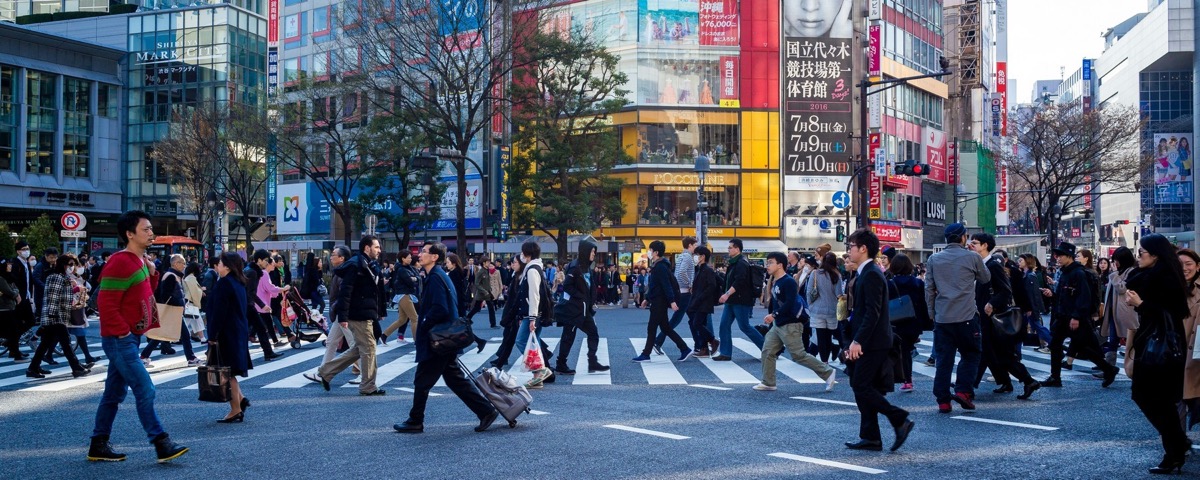
A typical journey may include walking from home to a railway station, changing trains through a large station building and walking again from the final stop to an office, school or shop. Even a person who never chooses a formal workout may therefore spend part of the day moving on foot.
This is an example of incidental exercise. The activity is not the main purpose of the journey, but it still requires energy and physical movement. When walking is connected to transportation, shopping and social life, people do not need to make a separate decision every time they want to be active.
The physical design of a city strongly influences whether this is possible. Dense neighbourhoods can place homes, stations, shops and services relatively close together. Sidewalks, pedestrian crossings and public transportation also allow people to complete some journeys without a private car. Japan's national government has described urban projects intended to make walking a natural and necessary part of daily life.[1]
The World Health Organization's physical-activity profile for Japan also treats walking and cycling as important forms of everyday movement, not only as sports.[2] This distinction matters because many adults find it difficult to reserve extra time for exercise after work and family responsibilities.
Walking can be especially valuable as a population grows older. Regular movement can support mobility, balance and the ability to complete daily tasks. It can also give older residents more opportunities to meet neighbours, visit shops and remain connected to their community. However, walking is only helpful when streets feel safe and destinations are realistically reachable.
Japan is sometimes praised for longevity, but it would be misleading to claim that walking alone explains long life. Health is influenced by medical care, diet, income, housing, social relationships, smoking, genetics and many other factors. Walking should be understood as one useful part of a much larger system.[3]
The Japanese example also has limits. Summer heat can make walking uncomfortable, rural communities may have fewer transport services, and crowded stations can be difficult for people with disabilities. An ageing population creates pressure to add lifts, benches, clear signs and barrier-free routes.
The broader lesson is that healthy behaviour is easier when it fits naturally into ordinary life. Telling people to exercise may have limited effect when every daily destination requires a car. Designing communities where walking is practical can make movement less dependent on motivation.
A city does not need to copy Tokyo exactly. It can still ask a useful question: how many necessary journeys could include safe, comfortable walking rather than requiring a separate exercise plan?
Discussion Questions
- How much walking is naturally included in an ordinary day in your country?
- Does the design of your city encourage people to walk, or does it make driving necessary?
- What changes would make walking safer and more comfortable for older adults in your community?
- Do you think incidental exercise is as valuable as a planned workout? Why?
- In your opinion, should governments treat walkable neighbourhoods as a public-health policy?
References
- Government of Japan, "Building Healthier Cities."
- World Health Organization, "Physical Activity Profile 2022: Japan."
- Government of Japan, "Making a Society of Health and Longevity a Reality."